
Shadow markets operate quietly beneath the surface of formal economies, influencing billions of lives and reshaping global commerce in ways most people never see.

🌐 The Hidden Architecture of Informal Trade
The shadow economy represents a complex network of unregistered economic activities that exist outside government regulation and taxation systems. From street vendors in bustling Asian metropolises to unregistered freelancers working remotely across continents, these markets form an intricate web of commerce that economists estimate accounts for between 15% to 60% of GDP in various countries worldwide.
Understanding shadow markets requires moving beyond simplistic definitions. These aren’t merely criminal enterprises or tax evasion schemes, though such elements certainly exist. Rather, they represent adaptive economic systems that emerge when formal structures fail to meet the needs of populations, when barriers to entry become insurmountable, or when regulatory frameworks create more obstacles than opportunities.
The resilience of shadow markets stems from their fundamental responsiveness to human needs. When formal employment becomes scarce, informal work arrangements multiply. When official channels become too expensive or bureaucratic, alternative trading systems flourish. This adaptability has allowed shadow economies to survive economic crises, political upheavals, and technological disruptions that devastated formal sectors.
💼 The Spectrum of Shadow Economic Activities
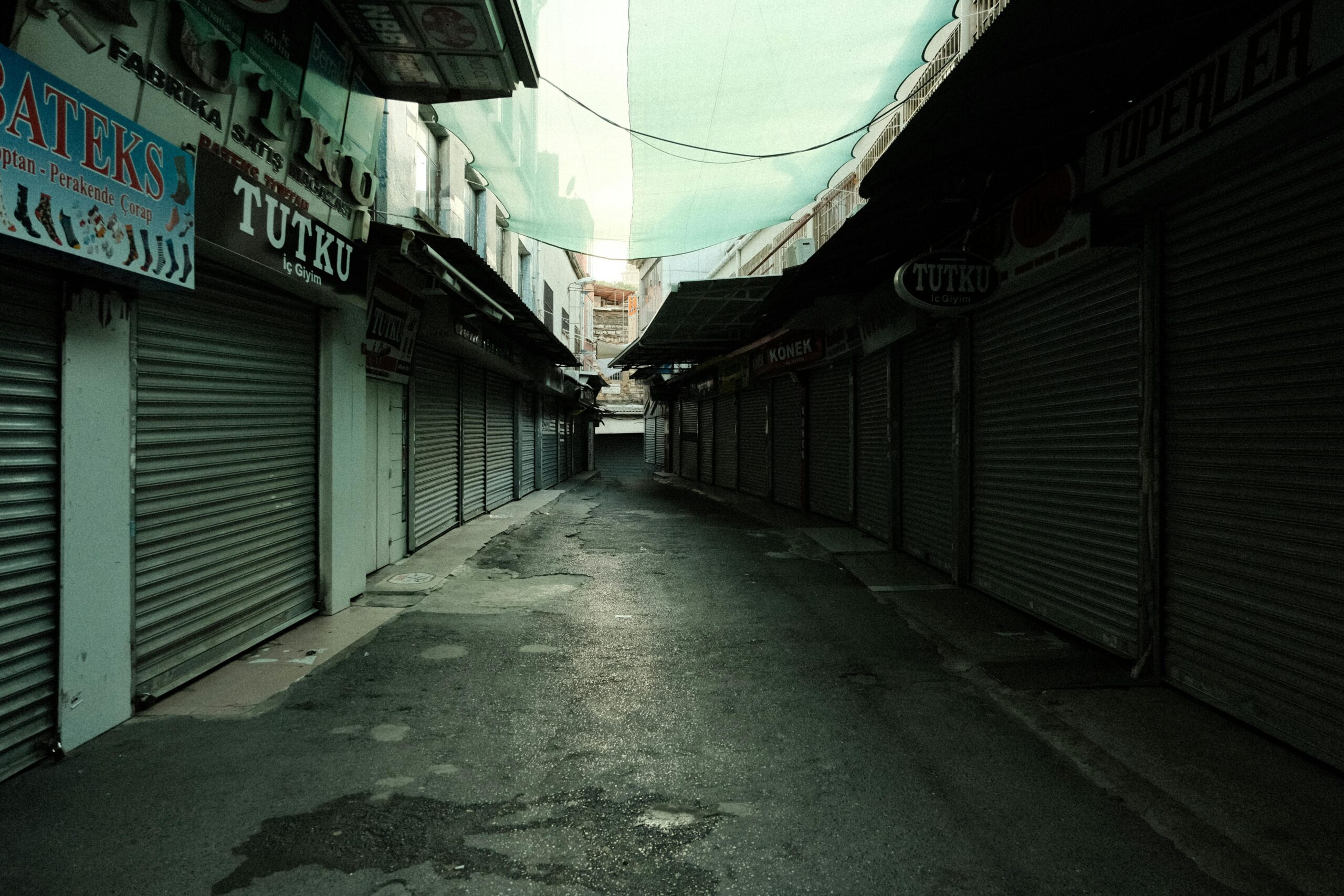
Shadow markets encompass a vast spectrum of activities, each with distinct characteristics, motivations, and social implications. At one end lie survival-driven informal economies where individuals engage in unregistered work simply to meet basic needs. Street food vendors, domestic workers, and small-scale artisans often operate in this space, contributing valuable services while remaining outside formal tax and regulatory systems.
The middle ground consists of semi-formal arrangements where businesses and individuals strategically navigate between registered and unregistered activities. Construction contractors who officially report some income while accepting cash payments for other jobs exemplify this hybrid approach. Freelance professionals who declare some earnings while keeping other transactions informal also occupy this space.
At the far end exist deliberately concealed operations ranging from smuggling and counterfeiting to money laundering and other criminal enterprises. These activities represent genuine threats to economic stability, public health, and social welfare, distinguishing themselves sharply from survival-driven informal work.
Common Shadow Market Sectors
- Unregistered labor and freelance work across multiple industries
- Street vending and informal retail operations
- Cash-based service provision including repairs, tutoring, and personal services
- Counterfeit goods manufacturing and distribution networks
- Unreported rental income and property transactions
- Digital marketplaces facilitating peer-to-peer exchanges outside taxation
- Agricultural production and distribution bypassing formal channels
- Cross-border trade avoiding customs and import regulations
🔍 Economic Drivers Behind Shadow Market Growth
Several powerful forces drive the expansion and persistence of shadow markets globally. High taxation rates frequently incentivize businesses and individuals to operate partially or entirely outside formal systems. When governments impose tax burdens that businesses consider excessive, informal arrangements become economically rational alternatives, despite legal risks.
Regulatory complexity serves as another major driver. When starting a legitimate business requires navigating dozens of permits, licenses, and bureaucratic procedures spanning months or years, many entrepreneurs simply bypass the entire system. In countries where business registration takes weeks and costs substantial fees, informal operations flourish by default.
Economic necessity pushes millions into shadow markets regardless of personal preferences. In economies with high unemployment, limited formal job opportunities, and inadequate social safety nets, informal work becomes the only viable survival strategy. Single parents, migrants, elderly workers, and others facing employment discrimination particularly rely on shadow market opportunities.
Technological advancement has paradoxically both challenged and enabled shadow markets. Digital payment systems and blockchain technologies create new possibilities for untracked transactions. Encrypted communication platforms facilitate coordination among informal market participants. Online marketplaces enable direct peer-to-peer exchanges that circumvent traditional retail channels and their associated regulations.
📊 Measuring the Unmeasurable: Shadow Economy Statistics
Quantifying shadow markets presents enormous methodological challenges. By definition, these activities avoid official recording, making direct measurement impossible. Economists employ various indirect approaches including electricity consumption analysis, currency demand modeling, and survey-based estimation techniques.
| Region | Estimated Shadow Economy (% of GDP) | Primary Drivers |
|---|---|---|
| Sub-Saharan Africa | 35-45% | Limited formal employment, regulatory barriers |
| Latin America | 30-40% | Economic volatility, institutional weakness |
| Eastern Europe | 25-35% | Transition economies, tax avoidance |
| South Asia | 30-50% | Population density, informal tradition |
| OECD Countries | 10-20% | Tax optimization, gig economy growth |
These estimates reveal that shadow markets constitute a substantial portion of economic activity globally, particularly in developing regions. The International Labour Organization estimates that over 60% of the world’s employed population works in the informal economy, representing approximately two billion people whose economic contributions largely escape official statistics.
⚖️ The Dual Nature: Benefits and Costs
Shadow markets generate both positive and negative impacts on societies, economies, and individuals. Understanding this duality proves essential for developing effective policy responses that neither romanticize nor demonize informal economic activity.
Positive Contributions to Economic Resilience
Shadow markets provide crucial employment opportunities for populations excluded from formal labor markets. Migrants without work permits, individuals with criminal records, those lacking formal education credentials, and workers facing discrimination find income opportunities through informal channels when formal employment remains inaccessible.
These markets demonstrate remarkable entrepreneurial dynamism. Without access to formal business loans, licenses, or support systems, informal entrepreneurs create innovative solutions to market demands. Street food vendors develop unique culinary offerings, informal recyclers create waste management systems, and unregistered artisans preserve traditional crafts.
During economic crises, shadow markets often provide critical safety nets. When formal sectors contract during recessions, informal work absorbs displaced workers. When supply chains break down, informal distribution networks maintain access to essential goods. This counter-cyclical resilience helps communities survive periods when formal institutions fail.
Negative Consequences and Social Costs
Shadow market participants typically lack access to labor protections, workplace safety standards, and social security benefits. Workers in informal arrangements face exploitation risks, unpredictable incomes, and no recourse when employers violate agreements. The absence of formal contracts leaves participants vulnerable to abuse.
Governments lose substantial tax revenue when economic activity occurs in shadow markets. These missing funds reduce capacity to provide public services, maintain infrastructure, and implement social programs. The tax burden shifts to formal sector participants, creating resentment and potentially incentivizing further informalization.
Unfair competition emerges when informal businesses avoid costs that formal enterprises must bear. Registered businesses paying taxes, meeting safety standards, and providing employee benefits struggle to compete with informal operations unencumbered by these expenses. This competitive disadvantage can drive legitimate businesses toward informality or out of business entirely.
🌍 Regional Variations and Cultural Contexts
Shadow markets manifest differently across cultural and geographic contexts, reflecting local economic conditions, institutional frameworks, and social norms. In many developing nations, informal markets represent traditional economic arrangements predating modern state institutions rather than deviations from established norms.
In West African countries, elaborate networks of market women have operated for centuries, managing complex trading systems, credit arrangements, and dispute resolution mechanisms entirely outside formal legal frameworks. These systems demonstrate sophisticated economic organization despite lacking official recognition or regulation.
Latin American countries feature extensive informal construction and retail sectors. In cities like Lima, Mexico City, and Rio de Janeiro, informal settlements house millions of residents in structures built entirely outside formal planning and permitting systems. Street markets provide employment and goods to vast urban populations operating largely beyond official oversight.
European shadow markets increasingly involve gig economy platforms that blur boundaries between formal and informal work. Delivery drivers, ride-share operators, and task-based workers often operate in regulatory gray zones where employment status, tax obligations, and benefit entitlements remain contested and unclear.
💡 Technology’s Transformative Impact
Digital technologies are fundamentally reshaping shadow markets in contradictory ways. On one hand, cashless payment systems, digital identification, and automated tax reporting make informal transactions more visible and trackable. Governments increasingly deploy sophisticated data analytics to identify tax evasion and unregistered economic activity.
Conversely, cryptocurrencies, encrypted messaging apps, and decentralized platforms create new possibilities for conducting transactions beyond government oversight. Peer-to-peer marketplaces enable direct exchanges without intermediaries who might report transactions to authorities. Virtual private networks and privacy-focused technologies help users maintain anonymity.
The gig economy represents a particularly complex intersection of technology and informal work. Digital platforms connect workers with customers efficiently, but employment relationships often remain ambiguous. Many gig workers operate as independent contractors, avoiding traditional employee classifications while maintaining flexibility that formal employment typically prohibits.
🎯 Policy Approaches: From Punishment to Integration
Governments worldwide employ varied strategies for addressing shadow markets, ranging from aggressive enforcement to gradual formalization incentives. Purely punitive approaches typically prove ineffective and counterproductive, driving informal activities deeper underground while failing to address underlying causes.
Progressive formalization strategies focus on reducing barriers to formal participation. Simplified business registration processes, tax holidays for newly formalized enterprises, and accessible financing programs help transition informal operators into regulated frameworks. Rwanda’s streamlined business registration system, allowing company formation within hours, demonstrates this approach’s potential.
Some jurisdictions create intermediate regulatory categories acknowledging that full formalization may be unrealistic for certain activities. Mexico’s “popular economy” policies recognize street vendors while implementing basic health and safety standards. Brazil’s “microempreendedor individual” program offers simplified tax regimes for small informal businesses, successfully bringing millions into formal systems.
Education and outreach initiatives help informal sector participants understand formalization benefits including access to credit, legal protections, and business growth opportunities. When individuals view formalization as advantageous rather than purely burdensome, voluntary compliance increases substantially.
🔮 Future Trajectories and Emerging Trends
Shadow markets will likely persist and evolve rather than disappear. Several trends suggest their continued relevance in global economic systems. Climate change and environmental pressures may drive informal recycling and resource recovery operations as circular economy principles gain importance. Informal workers already perform critical recycling functions in many cities worldwide.
Demographic shifts including aging populations in developed countries and youth bulges in developing regions will influence informal labor markets. As formal retirement systems face sustainability challenges, more elderly workers may seek informal income sources. Meanwhile, young people facing credential inflation and scarce formal opportunities increasingly turn to alternative economic arrangements.
Geopolitical fragmentation and supply chain reconfigurations may strengthen informal trade networks. As countries impose tariffs, sanctions, and trade restrictions, shadow market operators develop workarounds, maintaining economic flows that formal channels prohibit or constrain.
Artificial intelligence and automation technologies present both threats and opportunities for shadow markets. While automation may eliminate some informal jobs, it simultaneously creates new niches for human services that machines cannot provide. Personal care, creative work, and relationship-based services may increasingly shift toward informal arrangements.
🤝 Building Bridges: Toward Economic Inclusion
The ultimate policy goal should neither be eliminating shadow markets through enforcement nor accepting their existence as inevitable. Instead, societies benefit from pragmatic approaches that acknowledge informal economies’ functions while gradually expanding formal protections and opportunities to currently excluded populations.
Financial inclusion initiatives bringing banking services to unbanked populations help integrate informal workers into broader economic systems. Mobile money platforms in Kenya and throughout Africa demonstrate how technology can extend financial services to previously excluded groups, creating pathways from informal to formal economic participation.
Labor market reforms that accommodate diverse work arrangements without sacrificing worker protections represent another promising direction. Portable benefits not tied to specific employers, universal basic income experiments, and strengthened freelancer protections could reduce the security gap between formal and informal work.
Ultimately, reducing shadow market size requires addressing root causes including inequality, unemployment, excessive regulation, and weak institutions. Economic policies creating sufficient formal employment opportunities, regulatory frameworks balancing oversight with accessibility, and social safety nets providing basic security regardless of employment status collectively reduce incentives for informality.
🌟 Reimagining Economic Organization
Shadow markets challenge conventional assumptions about economic organization, revealing that formal institutions represent only one possible framework for coordinating production, exchange, and distribution. While informal economies generate genuine problems requiring policy attention, they also demonstrate human creativity, resilience, and adaptability in the face of institutional constraints.
Rather than viewing shadow markets purely as problems to be solved, policymakers might consider what these persistent alternatives reveal about formal system inadequacies. Why do millions of people worldwide choose informal arrangements despite risks and limitations? What needs do shadow markets meet that formal institutions fail to address? What can formal systems learn from informal markets’ flexibility and responsiveness?
The resilience of shadow markets across diverse contexts and throughout history suggests they fulfill genuine functions that purely formal economies cannot adequately provide. Acknowledging this reality while working to extend formal protections and opportunities to all economic participants offers the most promising path forward toward truly inclusive prosperity.