Education is no longer confined to textbooks and classrooms. Today’s learning landscape demands innovative approaches that recognize each student’s unique potential and foster curiosity that extends far beyond graduation day.

🌟 Rethinking Traditional Education Models
The industrial-age model of education—where students sit in rows, absorbing information passively—no longer serves the dynamic needs of 21st-century learners. Progressive educators worldwide are dismantling these outdated structures and replacing them with frameworks that prioritize critical thinking, creativity, and personalized growth.
Research consistently demonstrates that students learn differently. Some thrive through visual stimulation, others through hands-on experimentation, and still others through auditory processing. Recognizing these learning differences isn’t just good practice; it’s essential for unlocking the full spectrum of human potential.
Innovative schools are implementing flexible learning environments where students can move between collaborative spaces, quiet reflection zones, and technology-integrated stations. This physical transformation mirrors a deeper philosophical shift: learning should adapt to the learner, not the other way around.
Personalized Learning Pathways: Meeting Students Where They Are
Personalization has become the cornerstone of effective modern education. Rather than forcing all students through identical curricula at the same pace, forward-thinking educators create individualized learning pathways that respect each student’s starting point, interests, and aspirations.
Adaptive learning technologies now enable this personalization at scale. Intelligent systems assess student performance in real-time, identifying knowledge gaps and adjusting content difficulty accordingly. This ensures that advanced learners aren’t held back while struggling students receive the additional support they need without stigma.
But personalization extends beyond technology. Effective teachers conduct regular one-on-one conferences with students, co-creating learning goals and reflecting on progress. This approach transforms students from passive recipients of knowledge into active architects of their educational journey.
Competency-Based Progression
Traditional age-based grade levels are giving way to competency-based models where students advance upon demonstrating mastery rather than after completing time requirements. This shift acknowledges that learning isn’t linear and that artificial deadlines can hinder deep understanding.
In competency-based systems, students work through carefully scaffolded learning modules, receiving immediate feedback and opportunities for revision. The focus shifts from grades to growth, from comparison to self-improvement. Students develop intrinsic motivation as they witness their own capabilities expanding.
Project-Based Learning: Connecting Knowledge to Reality
Abstract concepts become meaningful when students apply them to real-world challenges. Project-based learning (PBL) engages students in extended investigations of authentic problems, requiring them to synthesize knowledge across disciplines and develop practical solutions.
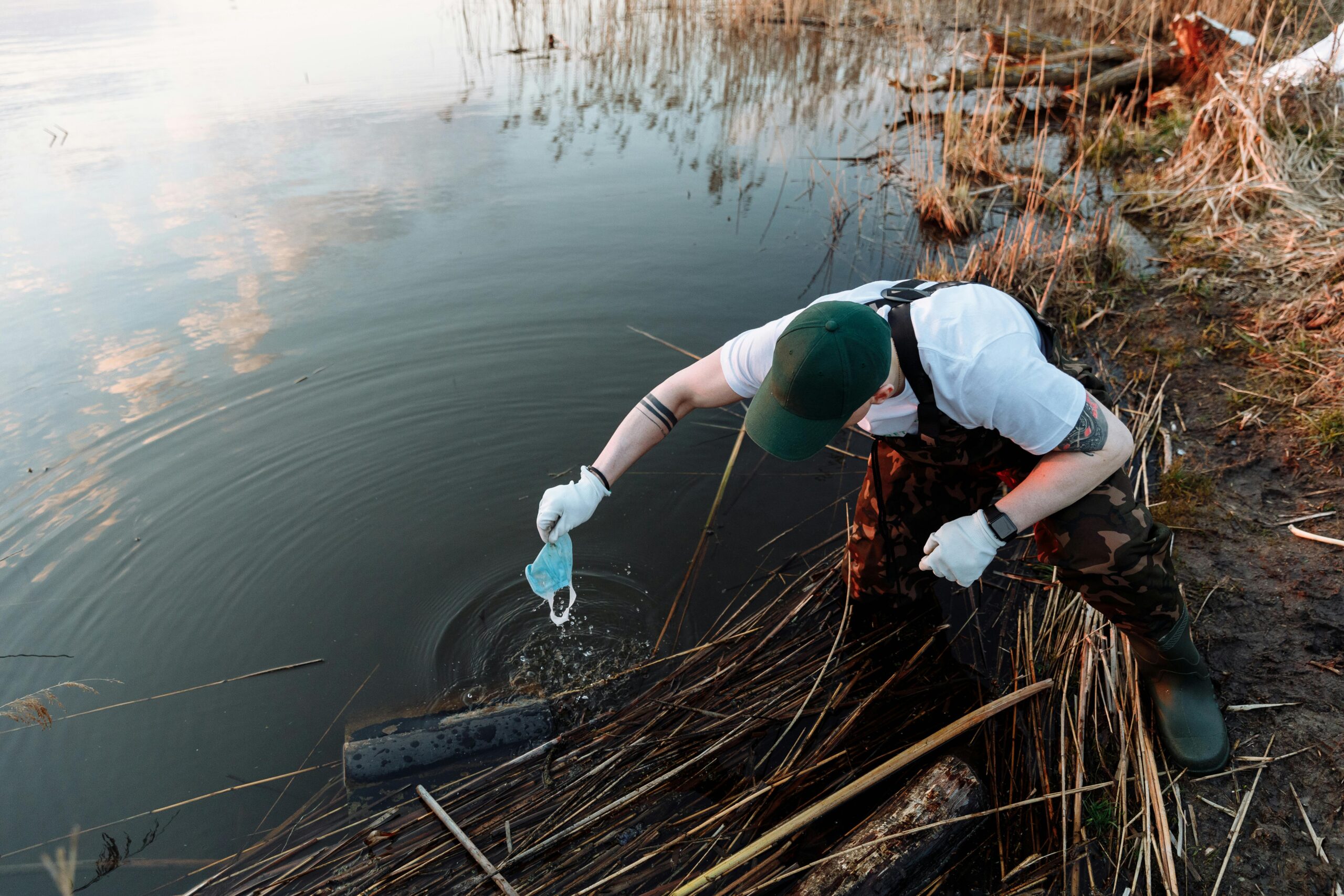
Consider a middle school class tackling urban pollution. Students might research environmental science, analyze statistical data, interview community members, design awareness campaigns, and present recommendations to local officials. This single project encompasses biology, chemistry, mathematics, communication skills, civic engagement, and creative design.
Through PBL, students develop essential competencies that standardized testing cannot measure: collaboration, perseverance, creative problem-solving, and the ability to navigate ambiguity. These skills prove invaluable throughout their academic careers and professional lives.
Making Learning Relevant and Urgent
The most powerful projects address issues students genuinely care about. When educators connect curriculum to students’ lives, communities, and passions, engagement soars. A history lesson about civil rights movements becomes electrifying when students examine contemporary social justice issues and organize their own awareness initiatives.
This relevance answers the question every teacher dreads: “When will we ever use this?” Students no longer see education as preparation for some distant future but as a tool for understanding and improving their world right now.
🎯 Cultivating a Growth Mindset Culture
Psychologist Carol Dweck’s research on mindset has revolutionized educational practice. Students with growth mindsets—those who believe abilities can be developed through effort—outperform peers who view intelligence as fixed, regardless of initial ability levels.
Educators foster growth mindsets by praising effort and strategies rather than innate talent, normalizing mistakes as learning opportunities, and sharing stories of how struggle leads to breakthroughs. Language matters profoundly: replacing “I can’t do this” with “I can’t do this yet” opens possibilities.
Classrooms become laboratories for experimentation where failure loses its stigma. Students learn that setbacks provide valuable feedback and that persistence, not perfection, defines success. This psychological shift impacts not just academic performance but students’ entire approach to life’s challenges.
Leveraging Technology as a Learning Amplifier
Technology, when thoughtfully integrated, exponentially expands educational possibilities. Digital tools shouldn’t replace quality teaching but should amplify it, providing access to resources, perspectives, and learning experiences previously unimaginable.
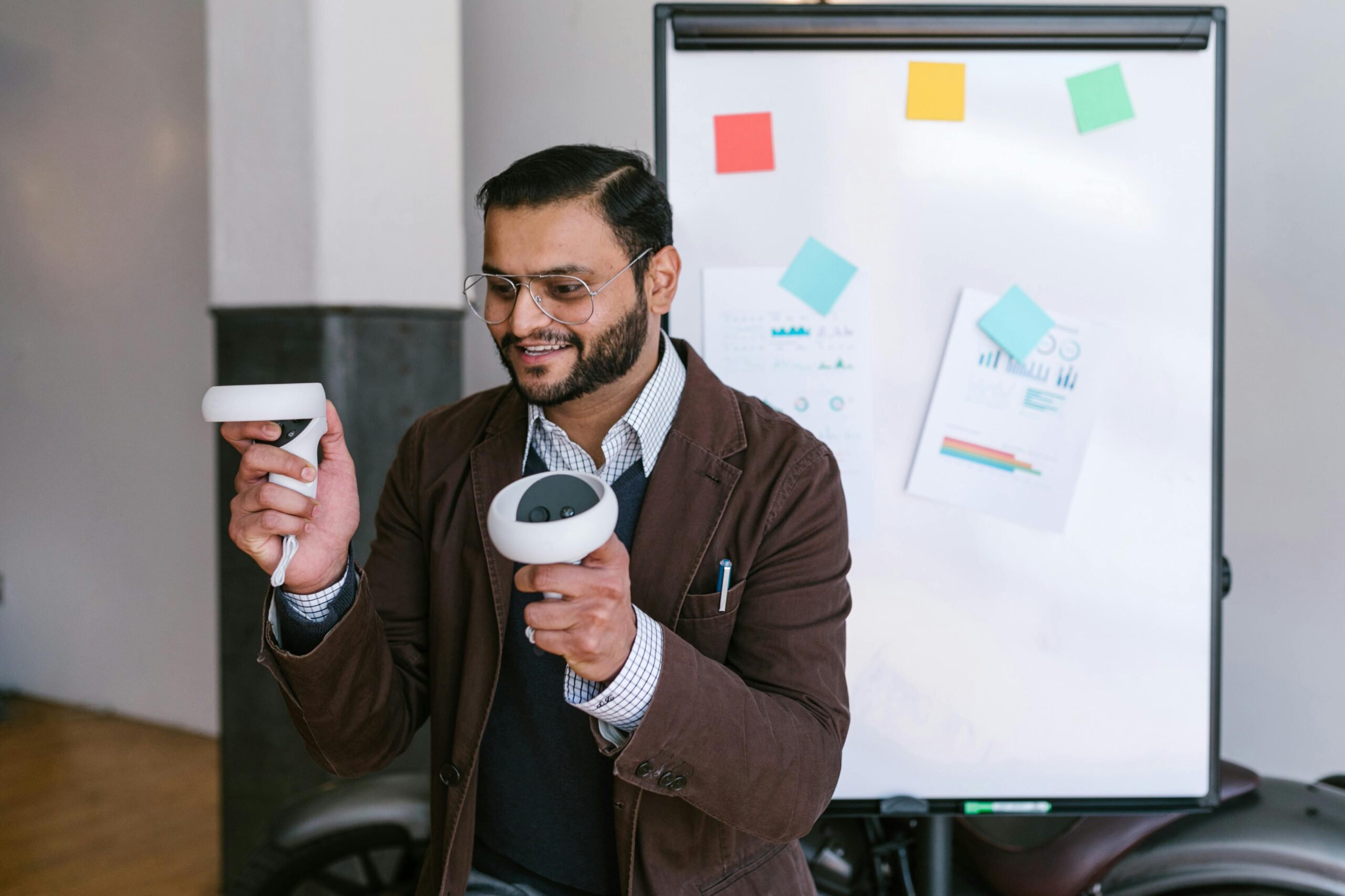
Virtual reality transports students to ancient civilizations, inside human cells, or across distant galaxies. Collaborative platforms connect classrooms across continents, enabling cultural exchange and global perspectives. Data analytics help teachers identify struggling students before they fall too far behind.
Educational apps have democratized access to quality instruction. Language learning platforms use spaced repetition algorithms to optimize vocabulary retention. Coding apps teach computational thinking through engaging puzzles. Mathematics applications provide unlimited practice with instant, personalized feedback.
Balancing Digital and Human Connection
Despite technology’s power, human connection remains education’s irreplaceable core. The most effective learning environments blend technological efficiency with meaningful relationships. Teachers who know their students’ hopes, challenges, and learning styles create trust that no algorithm can replicate.
Smart integration means using technology for what it does best—delivering content, providing practice, tracking progress—while reserving human interaction for what requires empathy, inspiration, and nuanced understanding. This balance maximizes both efficiency and emotional engagement.
Social-Emotional Learning: Educating the Whole Person
Academic achievement means little if students lack emotional regulation, empathy, and healthy relationship skills. Progressive schools explicitly teach social-emotional competencies alongside traditional subjects, recognizing that emotional intelligence predicts life success as powerfully as cognitive ability.
Students learn to identify and manage emotions, set positive goals, show empathy for others, establish healthy relationships, and make responsible decisions. These skills reduce behavioral problems while improving academic outcomes and preparing students for the interpersonal demands of modern workplaces.
Morning meetings, mindfulness practices, conflict resolution protocols, and collaborative projects create daily opportunities for social-emotional development. When schools prioritize the whole child, students flourish academically, socially, and personally.
🚀 Encouraging Student Agency and Voice
Students become powerful learners when given genuine agency over their education. Progressive educators involve students in curriculum decisions, assessment design, and even school governance, sending a clear message: your perspectives matter, and you’re capable of shaping your learning journey.
Student-led conferences exemplify this approach. Rather than teachers reporting to parents about their child, students present their work, reflect on their growth, and set future goals. This practice develops metacognition, accountability, and communication skills while positioning students as primary stakeholders in their education.
Genius Hour or passion projects dedicate regular time for students to pursue self-directed inquiries. Whether researching marine biology, learning guitar, or developing a business plan, students experience the joy of following curiosity wherever it leads. These experiences often reveal hidden talents and spark lifelong interests.
Building Leadership Through Responsibility
When students contribute meaningfully to their school communities—organizing events, mentoring younger students, or solving authentic problems—they develop leadership capabilities and ownership. Schools become not just places where learning happens to students but communities that students actively build and improve.
Interdisciplinary Learning: Breaking Down Artificial Boundaries
The real world doesn’t organize itself into separate subjects. Solving climate change requires science, economics, political science, psychology, engineering, and communication. Yet traditional education maintains rigid subject boundaries that obscure these natural connections.
Interdisciplinary approaches integrate multiple subjects around themes, questions, or challenges. A unit on immigration might combine history, literature, geography, economics, and ethics. Students see knowledge as interconnected and develop the synthetic thinking that complex problems demand.
Teachers collaborating across disciplines create richer learning experiences than any could design alone. A science teacher’s expertise in ecosystems combines with an art teacher’s understanding of visual communication, producing projects where students create scientifically accurate, artistically compelling environmental advocacy materials.
📚 Fostering Curiosity and Intrinsic Motivation
The most successful learners possess insatiable curiosity and learn because understanding itself brings satisfaction, not because external rewards demand it. Unfortunately, traditional education often undermines intrinsic motivation through excessive emphasis on grades, rankings, and compliance.
Innovative educators reignite natural curiosity by beginning units with provocative questions rather than predetermined answers. They encourage student questions, modeling their own wonder and intellectual humility. They create space for exploration and discovery rather than rushing to cover content.
Choice fuels motivation. When students select books matching their interests, choose between project options, or design their own investigations, engagement deepens. Autonomy communicates respect and trust, both powerful motivators that grades cannot replicate.
Celebrating Process Over Product
Showcasing rough drafts, failed experiments, and iterative improvements teaches students that learning is messy and nonlinear. When classrooms celebrate the learning process rather than just polished final products, students take healthy risks and develop resilience.
Assessment for Learning, Not Just of Learning
Traditional testing measures what students know at a single moment, often inducing anxiety and providing limited instructional value. Forward-thinking assessment practices focus on promoting learning rather than merely measuring it.
Formative assessment happens continuously through observations, conversations, and quick checks that inform instructional adjustments. Teachers identify misconceptions immediately and reteach before misunderstandings solidify. Students receive specific, actionable feedback that guides improvement.
Self-assessment and peer feedback develop metacognitive skills while reducing teacher workload. Students learn to evaluate quality work, identify strengths and areas for growth, and provide constructive suggestions. These evaluative skills prove valuable throughout life.
Portfolio-based assessment showcases growth over time, capturing learning that single tests cannot measure. Students curate their best work, reflect on their development, and set future goals. This approach values progress over perfection and recognizes multiple forms of excellence.
Creating Inclusive Learning Environments
Every student deserves to see themselves reflected in curriculum, feel valued in classroom communities, and access learning opportunities regardless of background or ability. Inclusive education isn’t just ethically imperative; it enriches everyone’s learning through diverse perspectives and experiences.
Culturally responsive teaching acknowledges students’ cultural backgrounds as assets, incorporating diverse perspectives, examples, and teaching methods. Students study histories and literature from multiple cultures, analyze issues through various cultural lenses, and see their identities affirmed.
Universal Design for Learning (UDL) provides multiple means of representation, expression, and engagement, ensuring all students can access content and demonstrate understanding. Flexible approaches accommodate different abilities, learning preferences, and circumstances without stigmatizing anyone as needing “special” accommodation.
💡 Preparing for an Unpredictable Future
Today’s students will enter careers that don’t yet exist, using technologies not yet invented, to solve problems we haven’t anticipated. Rather than attempting to predict specific knowledge requirements, education must cultivate adaptability, creativity, and learning agility.
Critical thinking—analyzing arguments, evaluating evidence, recognizing bias—equips students to navigate information abundance and distinguish truth from misinformation. Creativity enables innovation when facing novel challenges. Collaboration prepares students for increasingly team-based work environments.
Perhaps most importantly, education must instill love of learning itself. When students graduate as curious, self-directed learners who know how to learn, they possess the ultimate transferable skill: the ability to continuously reinvent themselves as the world changes.
The Role of Educators as Learning Facilitators
Innovative education strategies require teachers to evolve from information deliverers to learning facilitators. This shift is challenging but ultimately more rewarding, as teachers witness students taking ownership and developing genuine understanding rather than temporarily memorizing facts.
Effective facilitators ask more questions than they answer, strategically guiding students toward discoveries rather than directly providing information. They design rich learning environments, curate resources, provide scaffolding when needed, and step back when students are ready for independence.
This approach demands sophisticated pedagogical skill, deep content knowledge, and profound understanding of how people learn. It requires ongoing professional development, collaborative planning time, and supportive school cultures that value experimentation and learning from failures.
Building Partnerships Beyond School Walls
Education transcends physical classrooms when schools partner with families, community organizations, businesses, and cultural institutions. These partnerships provide authentic audiences for student work, real-world contexts for learning, and resources that schools alone cannot offer.
Family engagement moves beyond traditional parent-teacher conferences to ongoing communication, family learning events, and genuine partnership in educational decisions. When families understand and support innovative approaches, students benefit from consistent messages and reinforcement across settings.
Community partnerships connect students with mentors, provide internship opportunities, and enable service-learning projects. Students see how classroom learning applies in professional contexts while developing networks and exploring potential career paths.
🌱 Sustaining the Learning Journey Beyond Graduation
The ultimate measure of educational success isn’t test scores or college admission but whether graduates remain curious, engaged learners throughout their lives. Lifelong learning has become economic necessity as careers require continuous skill updating, but ideally it’s also a source of joy, meaning, and personal growth.
Schools cultivate lifelong learning by modeling it themselves—showing students their own teachers as learners, celebrating intellectual curiosity, and demonstrating that education never truly ends. Alumni who return to share how they continue learning inspire current students to view graduation as a beginning rather than an ending.
By empowering minds through innovative strategies today, we create a future populated by adaptable, thoughtful, engaged citizens prepared to tackle challenges we cannot yet imagine. This is education’s highest calling: not filling vessels with predetermined knowledge but lighting fires of curiosity that burn brightly throughout life.